Saigon · November 17, 2026
Is Ho Chi Minh City Safe? What Every Traveler Should Know
Is Ho Chi Minh City Safe? A Traveler’s Guide
Is Ho Chi Minh City safe? For most travelers, yes: violent crime is uncommon, and visitors can explore its markets, food stalls, and lively streets with sensible precautions. The main day-to-day concerns are phone or bag snatching, traffic, and occasional overcharging—not a reason to avoid the city, but a reason to stay alert.
Good Ho Chi Minh City travel safety starts with knowing what to expect. This guide covers petty crime, road safety, neighborhoods, health, and practical safety tips for visitors, from choosing a ride to protecting your phone in a crowd. For a more local perspective, explore guided local Saigon experiences, and check current travel advisories and local updates before departure.
| Safety concern | Where it matters | Practical response | Priority |
|---|---|---|---|
| Petty theft | Crowded streets and markets | Secure your phone and bag | Stay alert |
| Traffic | Busy intersections | Cross steadily and use trusted rides | Plan ahead |
Is Ho Chi Minh City Safe for Travelers? A Current Overview
Is Ho Chi Minh City safe? For most visitors, yes: the city is welcoming, and serious violence against travelers is not the risk they are most likely to face. The everyday challenges are busy traffic, opportunistic phone or bag theft, and occasional overcharging.
That does not mean exploring should feel timid. First-time visitors, solo travelers, couples, and families can enjoy local markets and lively neighborhoods by staying alert, choosing reliable transport, and taking extra care after dark.
What visitors should know about the city’s overall safety
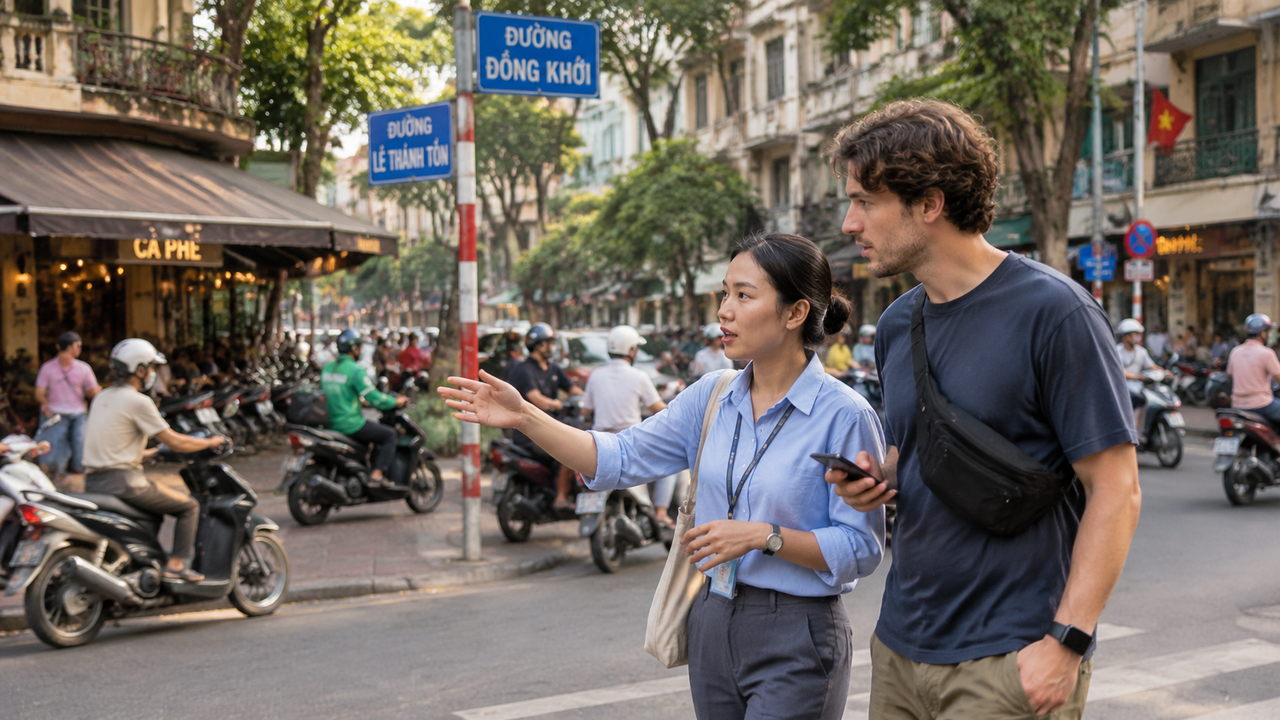
Ho Chi Minh City is a large, fast-moving metropolis. Crowds and motorbikes can feel intense at first, but most travel days are routine when you plan your routes and keep valuables secure. Cross roads steadily, follow local traffic flow, and use a reputable taxi or ride-hailing app if unsure.
Quick safety overview: Ho Chi Minh City is generally manageable for travelers who use ordinary city precautions. Expect traffic and crowded sidewalks, protect your phone and bag from snatch theft, agree on prices before informal services, and use well-lit routes at night. These habits address common hassles without limiting your local adventures.
Common risks compared with serious safety concerns
Petty theft is more relevant to most visitors than violent crime. For example, avoid holding your phone beside a busy road, where a passing motorbike could snatch it, and keep bags zipped in markets or nightlife areas. Scams and inflated fares are also easier to avoid when you confirm the price first.
| Situation | Common concern | Practical response |
|---|---|---|
| Crowded street | Phone or bag snatching | Keep valuables secured and away from the curb |
| Getting around | Traffic or fare confusion | Use a tracked ride and confirm the destination |
Serious incidents can happen, as in any major city, but they are not a reason to avoid Ho Chi Minh City. For a more confident first outing, explore with a local-led Ho Chi Minh City tour and ask your guide about current neighborhood conditions. Choose a Vietnam Crazy Tour experience that matches your comfort level, then keep your usual city sense switched on.
Is Ho Chi Minh City Safe from Crime and Scams?
Is Ho Chi Minh City Safe from Crime and Scams?
Is Ho Chi Minh City safe? For most visitors, yes: violent crime is not the main concern, but phone snatching, bag theft, and tourist-oriented overcharging can happen. A few street-smart habits let solo travelers, couples, and families enjoy the city without treating every busy sidewalk like a danger zone.
The key is to protect what is easy to grab and agree on costs before a service begins. Saigon is full of rewarding local encounters, and staying alert helps you enjoy them with confidence.
Quick answer: Ho Chi Minh City is generally manageable for travelers who use basic precautions. Keep phones away from the curb, wear bags securely, use reputable ride-hailing or taxi services, and confirm prices before accepting rides or street services. Crowds and traffic create more everyday risk than violent crime.
Pickpocketing, phone snatching, and bag theft in busy areas
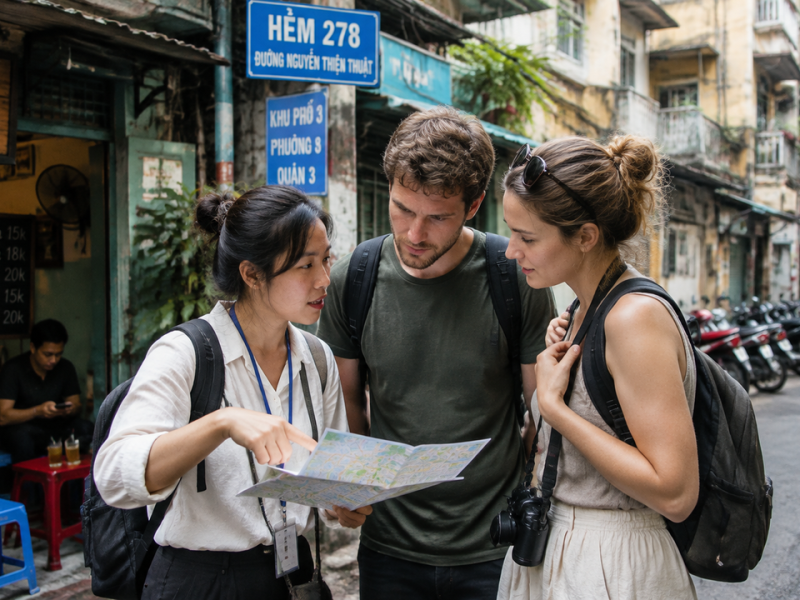
Phone snatching is often opportunistic. A traveler checking a map with a phone held out toward the road gives a passing motorbike an easy target. Keep your device in hand only when you are well away from moving traffic, and step into a shop or café to navigate.
At markets, on crowded sidewalks, and around nightlife streets such as Bui Vien, wear a zipped cross-body bag in front. Do not hang it on a chair or leave it on a scooter. If you are exploring less-touristed neighborhoods, a local-led city experience can also help you get oriented while keeping your route practical.
Common tourist scams and ways to avoid them
Most hassles involve unclear prices rather than elaborate fraud: an unmetered ride, an unsolicited shoe shine, or a cyclo fare that changes after the journey. Before agreeing, ask the total cost and what it includes. For taxis, use a trusted company or a ride-hailing app, and check that the vehicle and route match your booking.
| Situation | Safer choice | Why it helps |
|---|---|---|
| Checking a map near traffic | Move away from the curb | Reduces grab-and-go opportunity |
| Unsolicited ride or street service | Confirm price before accepting | Avoids disputes over the fare |
For families, agree on a meeting point in case anyone gets separated; solo travelers can share their route with someone they trust. Keep only the cash and cards you need for the outing, and store passport details separately from the original.
Explore with curiosity, not fear: secure your phone, question vague prices, and walk away politely when an offer feels pressured. For a more guided way to discover the city’s local side, browse Vietnam Crazy Tour experiences and choose an outing that fits your comfort level.
Traffic, Taxis, and Getting Around Safely
Is Ho Chi Minh City safe to get around? Usually, yes, but its traffic can feel intense if you are used to quieter streets. A steady crossing pace, secure phone habits, and a verified taxi or ride-hailing booking make everyday journeys easier for first-time visitors and adventurous explorers alike.
Quick answer: Cross at marked lights when available, walk predictably rather than darting between scooters, and use a licensed taxi or a ride-hailing app for longer trips. Before entering a car, match its plate and driver details to your booking, then share your route with someone you trust.
Crossing busy streets and navigating motorbike traffic
At an unmarked crossing, pause at the curb, look both ways, and wait for a natural gap. Walk at a calm, consistent pace so riders can anticipate you; do not run, step backward suddenly, or assume every vehicle will stop. Keep your phone away while crossing.
For example, on a busy central street, follow a local pedestrian signal or cross with other pedestrians rather than weaving around parked scooters. If you feel unsure, wait for the next safe opportunity.
Choosing safer transport, including licensed taxis and ride-hailing apps
Ride-hailing gives you a fare estimate and a trip record, while established taxi companies can be useful when you cannot get a data connection. Check the vehicle identity before getting in, and avoid unmarked cars soliciting passengers at the curb.
| Option | Best for | Safety check |
|---|---|---|
| Ride-hailing car | Door-to-door trips | Match driver and plate |
| Licensed taxi | Trips without mobile data | Choose a recognized company |
Mini insight: the safest choice is the one you can verify, not simply the fastest ride. For a local-led way to explore, browse Vietnam Crazy Tour experiences and plan transport back before setting out.
Neighborhoods, Nightlife, and Health Risks
Is Ho Chi Minh City safe after dark or when you leave the familiar tourist routes? For most visitors, the bigger concerns are phone snatching in crowded streets, traffic, heat, and uneven food hygiene—not violent crime. A few local-smart habits help you explore with confidence.
District 1 stays busy around central streets and nightlife, while quieter lanes can empty quickly. That contrast matters: adventurous exploring is rewarding, but plan how you will get back before the sidewalks thin out.
Staying aware in popular districts and quieter areas after dark
Quick answer: Ho Chi Minh City is generally manageable for travelers who secure valuables, choose well-lit routes, and use reputable transport at night. Crowded nightlife streets bring more risk of opportunistic theft; deserted alleys bring less visibility and fewer people to ask for help. Keep your phone away from the curb.
- In busy areas such as Bui Vien, keep bags zipped and drinks in sight.
- On quieter streets, avoid shortcuts through alleys and arrange a ride-hailing pickup from a visible place.
- Traveling solo? Share your route with someone and trust your instincts if a street feels uncomfortable.
For a local-led outing, explore Vietnam Crazy Tour experiences and confirm the route and return plan before booking.
| Situation | Best precaution | Why it helps |
|---|---|---|
| Busy nightlife street | Secure your phone and bag | Reduces snatch-theft opportunity |
| Quiet lane at night | Choose a lit main road | Keeps your route visible and easy to navigate |
Food, heat, air quality, and accessing medical care
Eat where turnover is high and food is cooked fresh in front of you; choose sealed or reliably filtered water, and wash or sanitize hands before eating. The tropical heat can catch visitors off guard, so carry water, take shade breaks, and avoid strenuous walks at midday. Air quality varies with traffic and weather; sensitive travelers may prefer a well-fitting mask on busy roads.
For illness or injury, ask your hotel or host to direct you to a reputable clinic or hospital, and keep travel-insurance details accessible. If you want a deeper neighborhood introduction, browse Vietnam Crazy Tour local experiences and plan a route suited to your group.
Practical Safety Checklist and Traveler FAQs
Is Ho Chi Minh City safe? For most visitors, yes, when they take ordinary precautions. The biggest everyday concerns are busy traffic, opportunistic phone or bag theft, and confusing transport offers, not usually violent crime.
Use this quick checklist to explore confidently, whether you are traveling solo, with a partner, or bringing children. Stay alert without letting caution keep you from the city’s lively markets, food stalls, and local neighborhoods.
Pre-trip and daily safety checklist
- Save your hotel address, travel insurance details, and embassy contact offline; keep a separate digital copy of your passport.
- Carry only the cash and cards you need. Keep your phone and bag away from the road side, especially in crowded streets.
- Use a reputable ride-hailing app or a clearly identified taxi. Confirm the destination before setting off.
- Cross steadily and predictably. Follow local pedestrians where possible, and hold children’s hands near traffic.
- At night, choose well-lit, active routes and book a ride back rather than wandering unfamiliar alleys alone.
- Drink sealed or reliably filtered water, and avoid walking through floodwater after heavy rain.
A common mistake is holding a phone out to navigate beside moving traffic. Step into a shop or café to check your route instead. For a more structured introduction to local streets and customs, explore small-group city experiences.
Quick safety decisions
| Situation | Safer choice | Why it helps |
|---|---|---|
| Late-night return | Book a tracked ride | Avoids unfamiliar, quiet routes |
| Busy market visit | Wear a zipped crossbody bag | Keeps essentials close |
FAQs
Is Ho Chi Minh City safe for solo travelers? Generally, yes. Solo visitors should share their plans with someone they trust, use app-based transport at night, and keep valuables discreet. Women may find busy central streets comfortable, but should use the same precautions in quiet areas.
Is it suitable for families? Yes, with close supervision around roads and crowded markets. Plan breaks, carry water, and use a car or taxi when children are tired.
What should I do in an emergency? Move to a staffed, public place and contact your hotel or travel insurer. In Vietnam, call 113 for police, 115 for ambulance, or 114 for fire services. Ask a local to help if language is a barrier, and report stolen documents to your embassy.
Explore boldly, but make the city work on your terms. For a local-led outing with practical support, browse Vietnam Crazy Tour options and choose an experience that fits your group and comfort level.