Saigon · October 26, 2026
Ho Chi Minh City Food Guide: What Saigon Locals Order Most
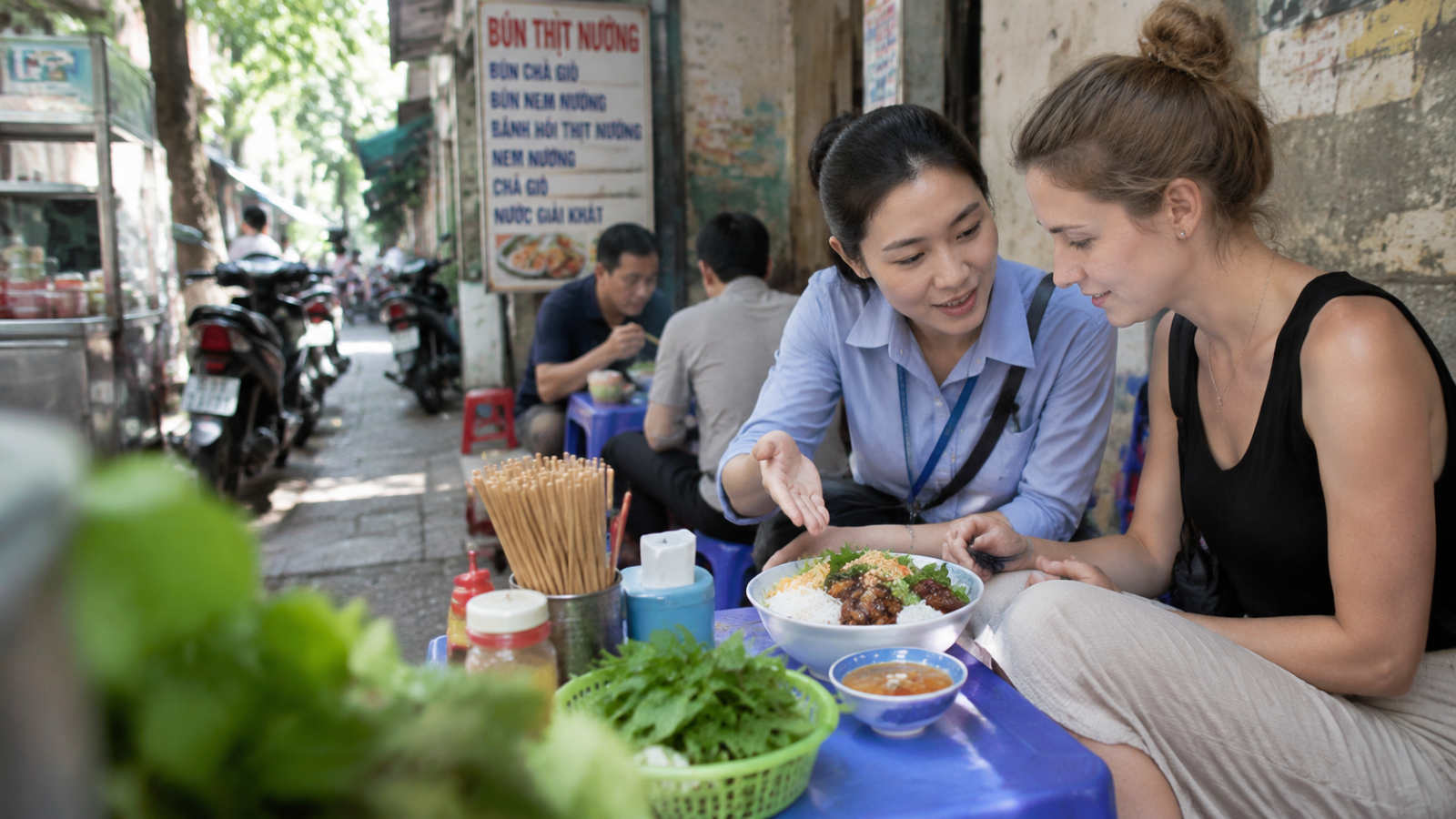
A Ho Chi Minh City food guide can make choosing your first meal easier in a city where sizzling street stalls, regional specialties, and busy restaurants compete for attention on every block. For first-time visitors, the challenge is knowing what is distinctly local, where to try it, and how to order with confidence. This guide helps you turn that tempting jumble into a satisfying food plan.
Start with familiar favorites such as pho and banh mi, then make room for Saigon specialties like broken rice, grilled pork vermicelli, and lively seafood stalls. A practical approach is to pair one planned meal with a little room for discovery: follow the lunchtime office crowd, watch what locals order, and choose a stall serving food fresh from the grill. For a deeper look at the city beyond its menus, explore locally led tours as you plan your stay.
Ho Chi Minh City Food Guide to Must-Try Local Dishes
The Ho Chi Minh City food guide starts with one useful tip: do not limit yourself to familiar pho and banh mi. Saigon’s best meals often come from busy sidewalk stalls, where a few fresh herbs, a hot grill, and a quick lunch rush tell you more about local life than a polished menu.
Try a mix of classics and Southern specialties, and order small when you want to taste more. The city’s food blends regional Vietnamese traditions with a lively, practical street-food culture. For curious travelers, Vietnam travel experiences can also add local context to time spent exploring the city.
Essential Vietnamese classics
Pho offers rice noodles, broth, meat, and fresh herbs; the southern style is often served with bean sprouts and a generous herb plate. Banh mi is a crisp baguette filled with options such as grilled pork, pate, cucumber, and pickled vegetables. For a distinctly Saigon lunch, choose com tam: broken rice with grilled pork, often accompanied by egg, pickles, or fish sauce.
Southern dishes to seek out
Hủ tiếu is a flexible noodle soup, commonly served with pork or seafood, while bánh xèo is a crisp turmeric-tinted pancake folded around pork, shrimp, and bean sprouts. Gỏi cuốn, fresh rice-paper rolls with herbs and shrimp or pork, make a lighter choice. At a stall, watch what nearby diners order, then ask for the sauce on the side if you prefer a milder first taste.
- Hungry and adventurous: try bánh xèo fresh from the pan.
- Want a lighter bite: choose gỏi cuốn.
- Prefer a filling local meal: order cơm tấm.
| Dish | Best for | What to expect | Style |
|---|---|---|---|
| Phở | A comforting meal | Broth, noodles, herbs | Warm and savory |
| Bánh xèo | Sharing and crunch | Crisp pancake, greens | Hands-on and lively |
Quick guide: Ho Chi Minh City must-try dishes include pho, banh mi, and com tam, plus Southern favorites such as hủ tiếu, bánh xèo, and gỏi cuốn. Together, they show the city’s preference for fresh herbs, contrasting textures, flexible sauces, and satisfying meals made for everyday life.
What the food says about the city
Southern Vietnamese cooking favors fresh produce, fragrant herbs, and a gentle sweet-savory balance, shaped by regional ingredients and generations of migration and trade. The mini insight: a dish is not just its main ingredient; the herb plate, dipping sauce, and way locals eat it are part of the experience. For a deeper look beyond the menu, explore local Vietnam tours and plan a food-focused stop on your own city route.
Ho Chi Minh City Food Guide to the Best Places to Eat
A Ho Chi Minh City food guide should lead beyond polished menus and into the streets where people eat between work, school, and errands. For adventurous visitors, the challenge is choosing where to start without wasting a meal in a tourist trap. Focus on a few distinct neighborhoods, order what nearby diners are eating, and let appetite set the route.
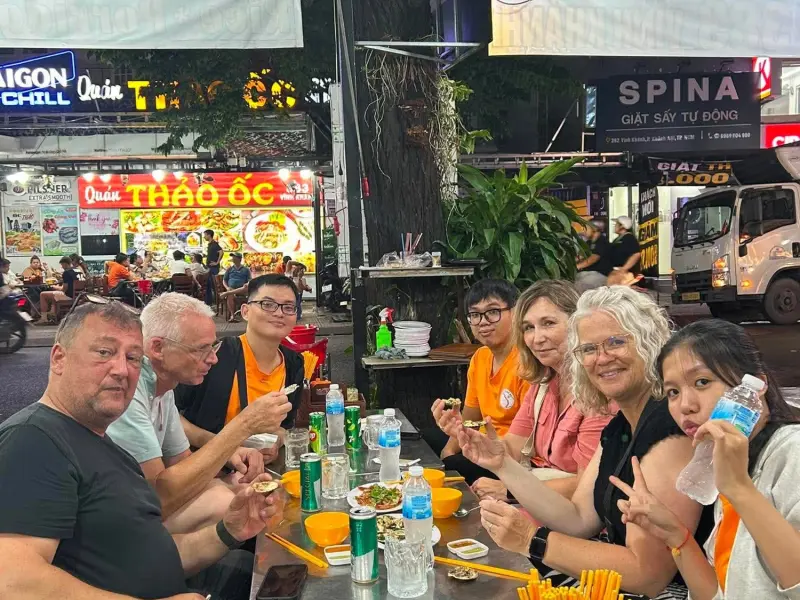
Street stalls serve quick, affordable favorites such as banh mi, pho, and com tam. For a lively evening, District 4’s Vinh Khanh Street is known for seafood and snails; go with a companion if you want to sample several dishes. Choose a busy stall, check prices before ordering, and mention allergies clearly.
Where should you eat in Ho Chi Minh City? Try street stalls for everyday local dishes, explore Cho Lon for Chinese-Vietnamese flavors, and use Districts 1 and 3 for convenient variety. Ben Thanh Market is easy to reach, but compare prices and look beyond the busiest tourist-facing counters.
Markets and neighborhoods for curious eaters
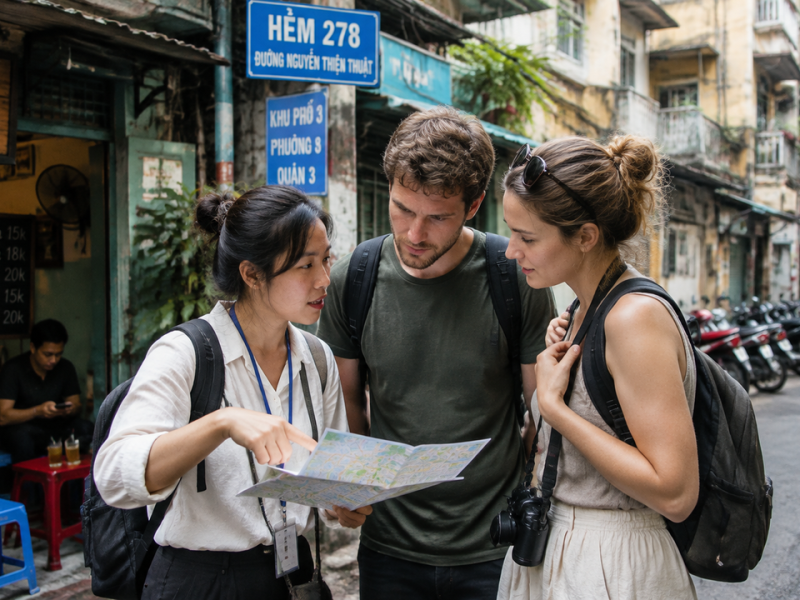
Cho Lon, mainly in Districts 5 and 6, rewards a slower wander with noodle shops, bakeries, and market snacks. District 1 offers central access, while District 3 often feels more residential and suits a relaxed food crawl. Browse local guided experiences if navigating unfamiliar streets feels daunting.
| Area | Best for | Keep in mind |
|---|---|---|
| District 1 | Central convenience | Compare market prices |
| Cho Lon | Neighborhood food discovery | Allow time to explore |
Check current opening hours before making a special trip, since small stalls can change schedules. Pick one neighborhood, arrive hungry, and follow the local lunchtime crowd for your next memorable bite.
Choosing Restaurants and Food Experiences for Your Budget
A Ho Chi Minh City food guide should help you spend well, not simply chase the cheapest meal or the most polished restaurant. For adventurous visitors, the best choice often depends on how much comfort, context, and local discovery you want from each stop.
Mix quick street-side meals with a few sit-down breaks, and use one guided experience if navigating unfamiliar menus feels daunting. That way, solo travelers, couples, and families can explore at their own pace without turning every meal into a gamble.
Quick guide: Street stalls are usually the lowest-cost, quickest way to try a focused local dish. Casual eateries offer more seating and an easy step up in comfort. Sit-down restaurants suit longer meals or groups. Choose a food tour for guidance, a market visit for browsing, or independent exploring for maximum flexibility.
What to expect from street stalls, casual eateries, and sit-down restaurants
Street stalls often specialize in one or two dishes: a steaming bowl of pho at breakfast, grilled pork over broken rice at lunch, or seafood sizzling at night. Expect plastic stools, quick service, and limited English. Casual eateries usually provide a menu and more room to settle in, while full-service restaurants offer air-conditioning, broader menus, and a slower meal.
Keep a little flexibility in your budget for drinks, add-ons, or sharing plates. If you have allergies or dietary restrictions, confirm ingredients before ordering; a translation app or written note can help.
| Option | Best for | Trade-off | Budget feel |
|---|---|---|---|
| Street stall | Fast, local dishes | Few comforts | Lowest |
| Casual eatery | Easy everyday meals | Less street-side atmosphere | Moderate |
| Sit-down restaurant | Groups and longer dinners | Higher total bill | Higher |
How to find well-loved local spots without relying only on tourist menus
Look for a short menu, dishes being cooked in view, and a steady flow of local customers. Check recent map reviews, then scan photos for the dish you want rather than trusting a rating alone. A lunch crowd of nearby office workers can be a useful clue, though it is not a guarantee of quality.
Try searching by dish, such as bun thit nuong or com tam, and by neighborhood. Start with one familiar choice, then ask what the stall is known for. For more context and local stories alongside the meal, consider small-group local tours.
Choosing between a food tour, a market visit, and exploring independently
A food tour is useful on your first evening if you want help ordering, moving between districts, and understanding unfamiliar dishes. A market visit is better for seeing ingredients and food culture, but you may need to choose and order for yourself. Going independently costs less and leaves room for spontaneous discoveries, especially if you save a few places on your map in advance.
For a first-time visitor who wants an adventurous taste without spending the whole trip planning meals, book one guided outing, then explore independently the next day. Browse Vietnam Crazy Tour experiences to find an option that fits your group and appetite.
How to Plan Your Ho Chi Minh City Food Itinerary
A good Ho Chi Minh City food guide is built around neighborhoods, not a checklist of famous dishes. Choose two nearby areas, plan one signature meal in each, and leave room for a spontaneous stall. This keeps your day delicious without spending it in traffic.
Quick plan: Pick a breakfast, lunch, and dinner stop in two connected districts. Try a light dish early, a filling local favorite at midday, then explore street food after dark. Check opening hours, carry small cash, and tell vendors about allergies before ordering.
Pair dishes with neighborhoods
For a short stay, keep District 1 and District 3 together: start with banh mi or pho, then try cơm tấm or bún thịt nướng for lunch. Save District 4 for an evening seafood crawl, when the streetside tables and sizzling grills bring the city to life. If you want more local discovery without mapping every stop yourself, browse local food and city tours while shaping your route.
| Route | Best for | Food focus | Timing |
|---|---|---|---|
| Districts 1 and 3 | First visit | Pho, cơm tấm | Daytime |
| District 4 | Adventurous eaters | Snails, seafood | Evening |
Ordering, payment, and dining etiquette
At a busy stall, point to the dish or show its name on your phone, confirm the price if it is not displayed, and keep small notes ready. Some street vendors accept cash only. Share tables when invited, keep belongings close, and follow the locals’ lead on where to sit.
Food safety and dietary needs
Choose busy stalls where food is cooked fresh and served hot. For allergies or dietary restrictions, use a translated note that names the ingredient clearly; do not rely on a vague request for no meat, as broths and sauces may contain animal products. Tell the vendor before ordering, and skip any dish if the answer is uncertain. For a more confident first taste of Saigon’s lively food scene, plan with Vietnam Crazy Tour and ask about dietary needs in advance.
Practical Tips and FAQs for Eating in Ho Chi Minh City
A good Ho Chi Minh City food guide helps you enjoy adventurous local meals without turning a small ordering mistake into a stressful moment. Follow the crowd, check that food is cooked fresh, and ask for chili on the side if you are unsure how much heat you can handle.
Common mistakes to avoid
- Do not assume every dish is mild. Say không cay for no chili, or point to a small amount to start.
- Check the price and portion before ordering, especially at seafood stalls where items may be priced by weight.
- Choose busy stalls with steady turnover, food handled cleanly, and ingredients cooked thoroughly. This reduces risk but cannot guarantee food safety.
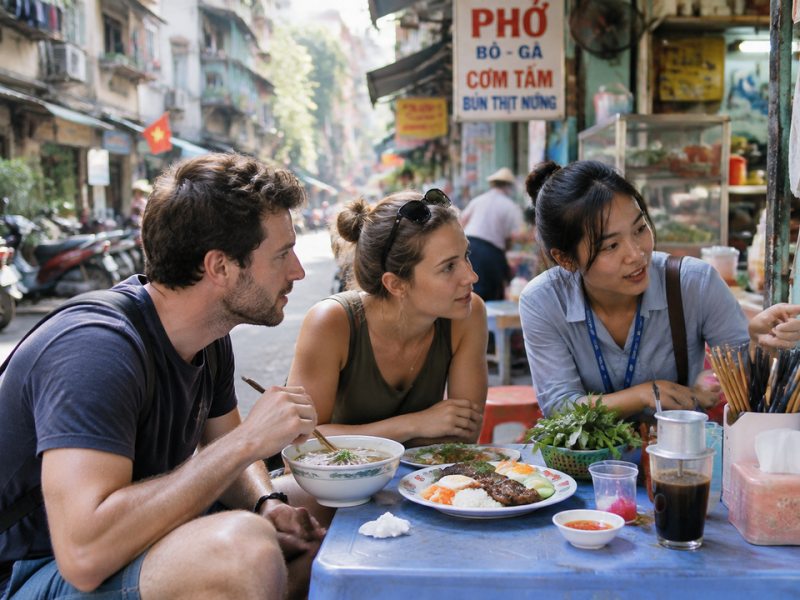
At a crowded noodle stall, for example, you can point to a nearby diner’s bowl and ask for the same. It is an easy way to order when menus are unfamiliar.
Quick answers for first-time visitors
What food is Ho Chi Minh City known for? Try banh mi, pho, com tam, bun thit nuong, and snails or seafood. Where should first-time visitors eat? Start with busy neighborhood stalls and markets; explore beyond central tourist streets for a more local feel. Is street food safe? Many travelers enjoy it, but hygiene varies. Choose freshly cooked food, drink sealed or treated water, and follow your dietary needs. How much does a meal cost? A simple street meal often costs around 30,000–80,000 VND; prices vary by dish, location, and portion.
| Choice | Best for | Simple tip |
|---|---|---|
| Busy street stall | Fresh local favorites | Order what is being cooked |
| Casual restaurant | Families or cautious eaters | Check the menu and prices |
Plan one must-try dish, leave room for an unplanned stop, and save a map pin before setting out. For a deeper dive into local neighborhoods and street-side flavors, browse Vietnam Crazy Tour experiences. Ready to explore beyond the familiar? Plan your local food adventure with a guide who can help you navigate the city, its flavors, and its lively streets.